


We’re delighted to welcome Browns Distribution to Clarus WMS. Browns is moving its 3PL warehouse operation onto Clarus, bringing customer stock visibility, batch and hold control, automated EDI and automated 3PL invoicing together in one system.
About Browns Distribution
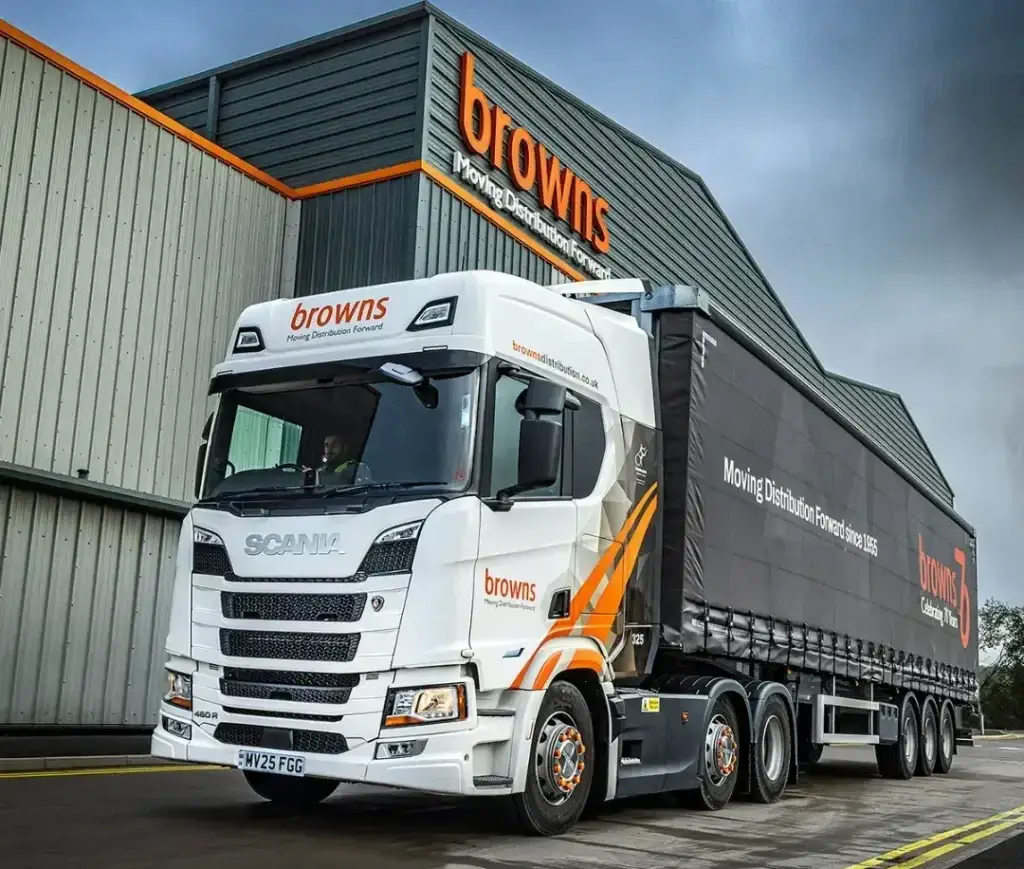
Browns has been moving goods around Stoke-on-Trent since 1955, when Albert Brown started delivering local pottery with a single van. Today it’s a third-generation family business running palletised distribution across the UK and Europe, alongside a 3PL warehousing operation.
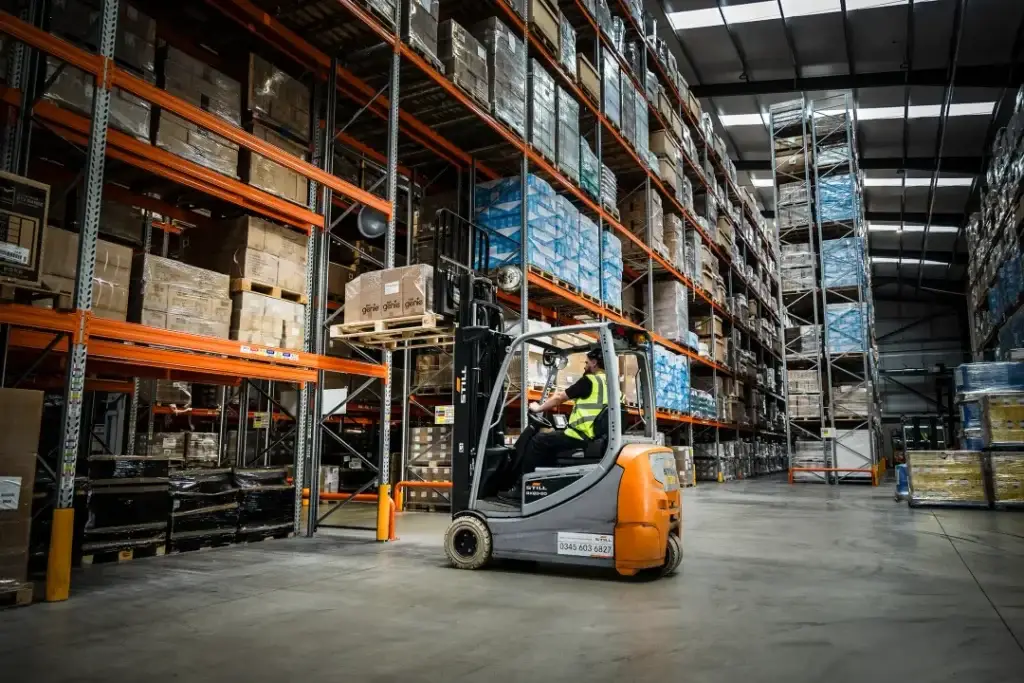
That warehousing runs from Distribution House, an 87,000 sq ft BRCGS-certified facility in Stoke-on-Trent with 13,000 racked pallet spaces. Browns has around 145 full-time colleagues across the business, and its 3PL customers supply supermarkets and wholesalers.
Serving the grocery trade sets the rules for the warehouse. Around 95% of orders go out as full pallets, and stock is rotated by best-before date. The right pallet, with the right date, has to leave on time, and the information that travels with it has to be just as reliable as the stock itself.
What Browns needed
Browns ran EDI with Microsoft Dynamics Business Central, using XML files. Several customer-facing steps were manual, including creating ASNs from the 3PL side through to Browns’ transport system.
Browns came to Clarus with three clear goals:
- stock visibility for its customers
- batch and hold control for BRC compliance
- full automation between the WMS and its TMS
What Clarus delivered
Clarus delivered a complete 3PL setup for Browns, covering the warehouse floor, the connections to Browns’ customers, invoicing, and AI on top of live warehouse data.
A 3PL-ready WMS
A customer portal with filtered stock visibility. Each of Browns’ customers gets its own view of its own stock in the Clarus customer portal. That gives Browns’ customers the stock visibility Browns wanted to offer them.
Batch tracking and hold/release. Every batch is tracked through the warehouse, and stock can be placed on hold and released under control. That’s the batch and hold control Browns needed for BRC compliance.
A full audit trail. Clarus records what happened, when and by whom, so Browns has a complete history of activity in the warehouse.
Handheld scanning that keeps the system and the floor in step. Handheld scanning stops pallets moving without a system update. On a site where most orders are full pallets, every movement is confirmed as it happens, so the stock record matches what’s in the racking.
EDI and SFTP integration
Clarus connects directly to Browns’ customers through EDI and SFTP:
- purchase orders and sales orders are imported automatically
- completion files are sent back to customers
- stock adjustments are shared automatically
- dispatch confirmations are sent automatically
This has been tested end to end, with a full flow of receipt, order via SFTP, pick, dispatch and automatic confirmation.
For Browns, that means customer-facing updates such as completion files and dispatch confirmations come straight from the system.
Automated 3PL invoicing
Billing is where a 3PL’s warehouse activity turns into revenue, so it has to be accurate and it has to fit the business. With Clarus automated 3PL invoicing, Browns gets:
- weekly charge windows that open and close automatically
- editable tax point dates
- two-step invoice approval before anything goes out
- a CSV that matches Browns’ existing accounts import format
That last point means Browns’ finance team keeps working the way it already does. Clarus produces the file their accounts process expects.
The Clarus AI Assistant
Browns also has the Asistente de IA Clarus, which turns questions and instructions into answers and actions on live warehouse data.
A user can ask for task status, late orders or top pickers and get a clear table with charts straight away. They can also tell the assistant to quarantine short-dated lots, release holds after QA or assign work to a zone, all within their own user permissions.
Browns is exploring how to use it for picker performance and error tracking, two areas where fast answers from live data make a real difference on a busy floor.
A partnership that’s already working
Browns’ own developers are already building on Clarus, creating a custom invoice template on the platform.
Browns has also invited Clarus to demo the platform to a prospective Browns customer. When a 3PL is happy to put its WMS in front of the customers it wants to win, that says a lot about how well the system fits the operation.
Por qué es importante
Browns’ story will be familiar to many 3PLs serving the grocery trade. Full-pallet volumes, best-before rotation and BRC requirements leave little room for manual steps between systems.
What Browns wanted was practical: give customers visibility, keep stock under control, and let information move between systems without someone having to push it along. Clarus brings those together in one place, from the scan on the warehouse floor to the invoice file in the accounts system.
Food-grade operators such as Campeys also run their BRCGS-certified warehousing on Clarus.
Your path to WMS success
If your 3PL still relies on manual steps between your WMS, your customers and your accounts, it’s worth asking what connecting them would free your team up to do.
Ver más testimonios de clientes de Clarus, o find out more about Clarus for 3PLs.